
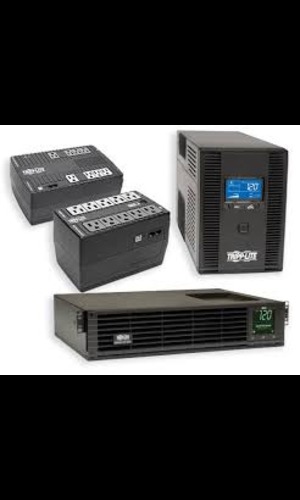
🔌 UPS (Uninterruptible Power Supply) – Overview
A UPS (Uninterruptible Power Supply) is an electrical device that provides backup power to equipment in case of power outages, voltage drops, or surges. It ensures the uninterrupted operation of critical devices like computers, servers, medical systems, AV setups, and security systems until power is restored or a generator takes over.
⚙️ Types of UPS Systems
-
Offline/Standby UPS
-
Basic protection for desktops or small devices.
-
Switches to battery only during power loss.
-
Ideal for: PCs, routers, home use.
-
-
Line-Interactive UPS
-
Includes automatic voltage regulation (AVR) for voltage fluctuations.
-
Common for small businesses, network hardware.
-
Provides better protection than standby UPS.
-
-
Online/Double-Conversion UPS
-
Continuous power supply without switching delays.
-
Ideal for sensitive and critical equipment (e.g., servers, medical machines).
-
Converts incoming AC to DC, then back to AC — ensuring clean power.
-
🔢 Key Specifications to Consider
-
VA/Watt Rating – Power capacity (e.g., 600VA, 1kVA, 10kVA)
-
Battery Runtime – Duration the UPS can power devices (usually 5–30 mins)
-
Number of Outlets – For connecting multiple devices
-
Form Factor – Tower or rack-mounted
-
Communication Ports – USB, serial, or SNMP for monitoring
-
LCD Display – For power status and diagnostics
🧰 Common Applications
-
Offices – Backup for computers, printers, routers
-
Server Rooms/Data Centers – Protection for servers and switches
-
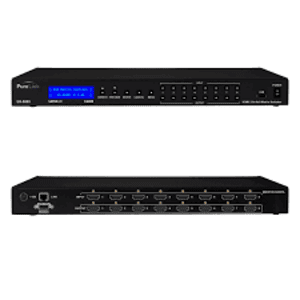
AV Setups – Continuous power to projectors, video switchers, and audio gear
-
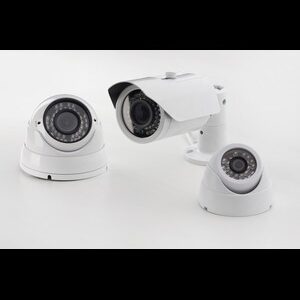
Security Systems – Ensures CCTV and access control systems keep running
-
Hospitals – Backup for critical medical equipment
✅ Benefits
-
Prevents data loss and hardware damage
-
Protects against power surges and spikes
-
Provides critical time to shut down equipment safely
-
Increases system uptime and reliability


Reviews
There are no reviews yet.